
%201989%20Answering%20the%20Call.png)
During my more than 38 years of curating history exhibitions at the Evansville Museum, people have often asked, “What is your favorite exhibition?” I usually reply, “The one I’m currently researching.” I have enjoyed nearly every exhibition I’ve worked on, and while writing this blog, memories of topics, artifacts, and people came flooding back. It is a pleasure to share a few of my experiences with the exhibition process.
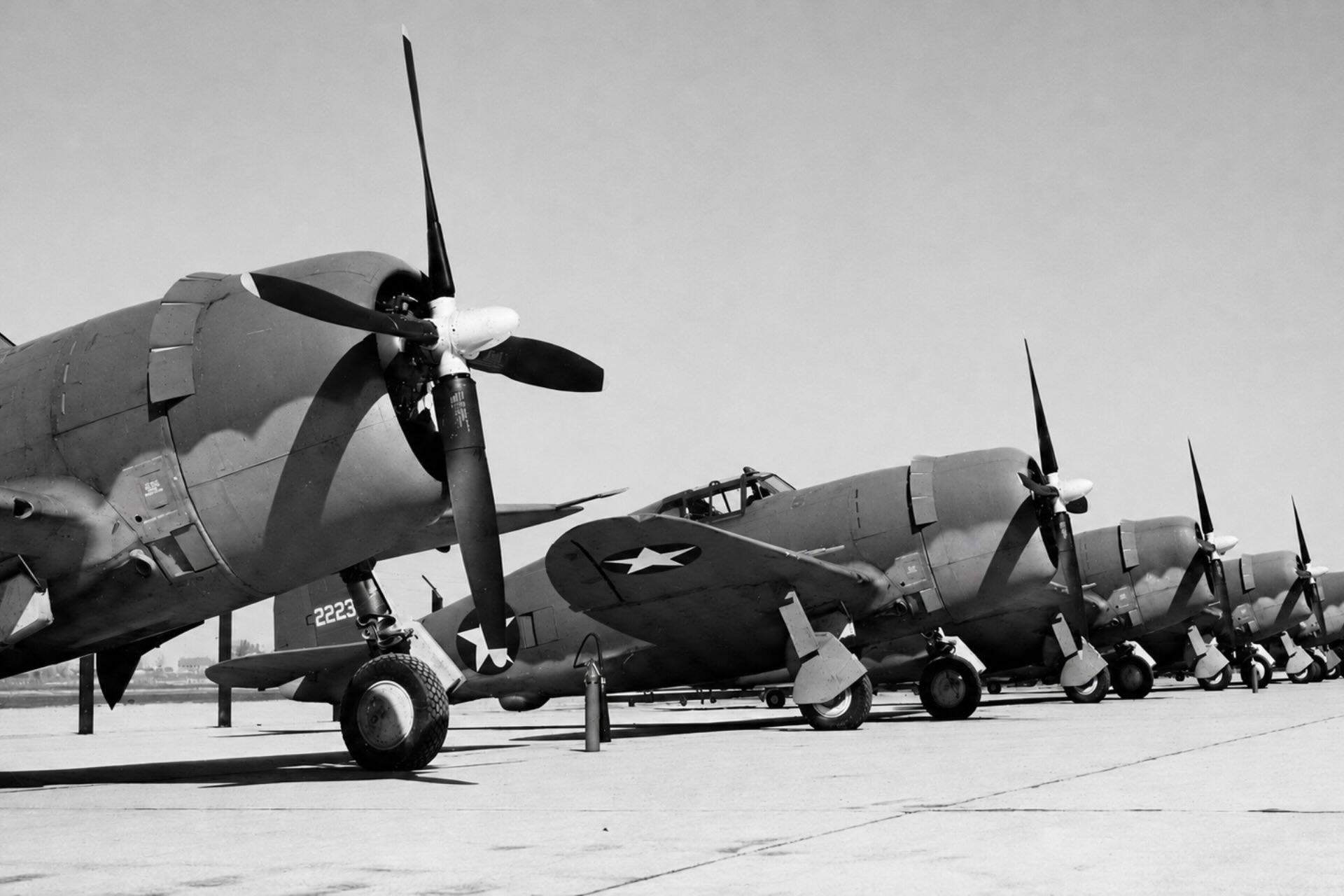
In 1989, my second year at the Museum, I had the opportunity to curate Answering the Call: Evansville and the LST. The exhibition drew on materials from the Museum’s collection, including some of the nearly 10,000 photographs documenting the Evansville Shipyard. Most importantly, the project introduced me to Roman Ritzert, the Shipyard’s former chief hull inspector. “Ritz” was a walking encyclopedia of the Shipyard’s efforts, and he forever impressed upon me the significance of what happened in our city during the war.
In the ensuing years, I worked on numerous exhibitions focusing on other aspects of World War II and other wartime experiences—the Civil War, World War I, Korea, and Vietnam. This included a series of longer-term mini-exhibitions, as well as a major World War II exhibition co-created with my friend and then-History Committee Chair, George Rehnquist. Some of my most cherished memories involve these exhibitions and the opportunity to interact with people who served and sacrificed for their country.
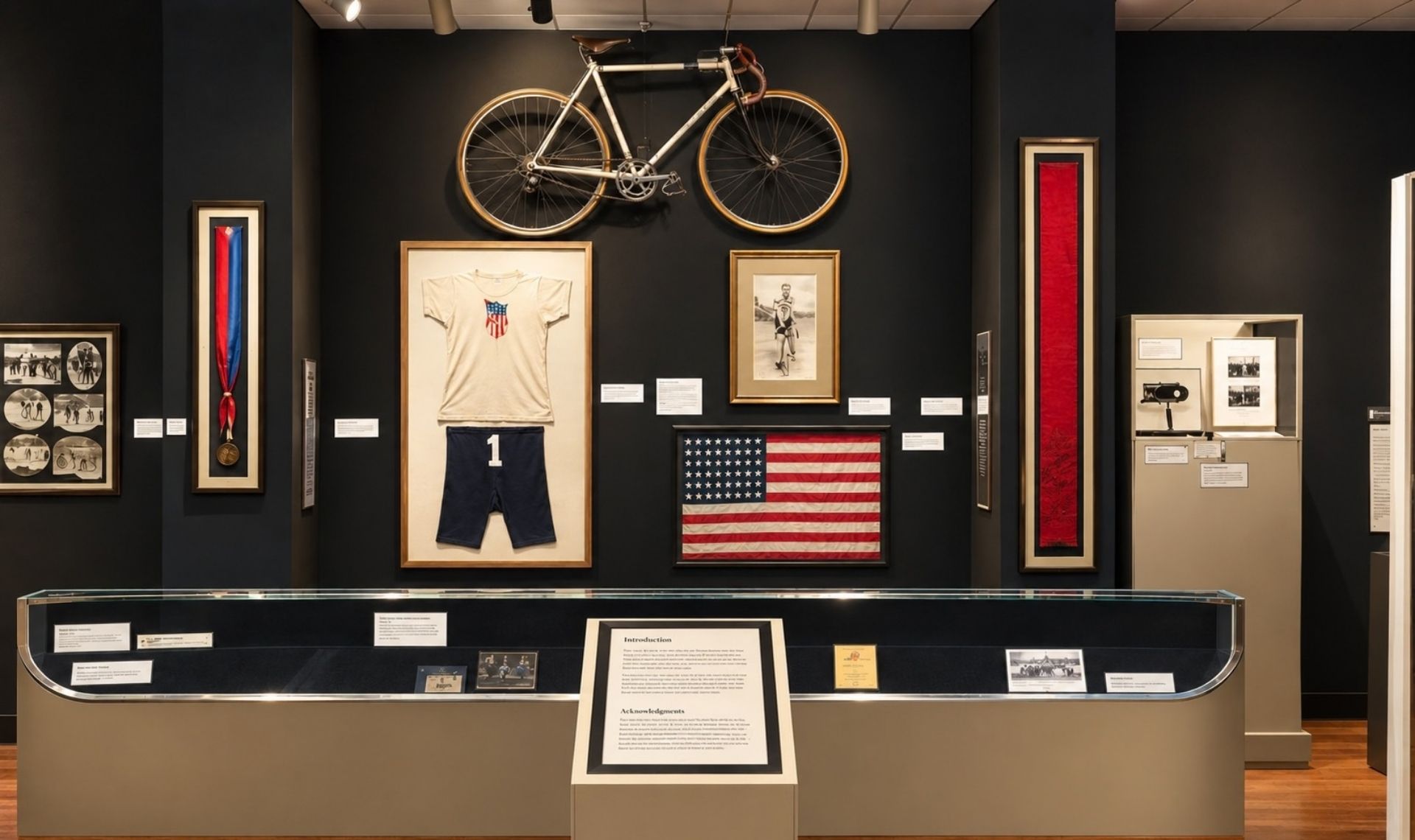
Another memorable exhibition was Frank Kramer: Champion Bicyclist. This 1995 exhibition stands out because it was suggested by a member of the Evansville community and brought attention to an important, if little-remembered, champion athlete from our city. Kramer was born in Evansville in the latter part of the nineteenth century and rose to national and international prominence as a champion cyclist. The project also afforded me the opportunity to travel with the Museum’s registrar to the U.S. Bicycling Hall of Fame, then located in Somerville, New Jersey, to select and transport items to the Museum for exhibition. The exhibition was complemented by a talk presented by nationally known bicycling historian Peter Nye.
%20%20Kramer%201995.jpg)
Other sports exhibitions are also memorable, given my love of watching athletic competitions. These included projects focusing on baseball and the evolution of high school girls’ sports in Evansville. The former included an exhibition highlighting the careers of “Punch” Knoll and “Si” Simon. Knoll was a player-manager who led the city’s minor league team during the early years of Bosse Field, while Simon persevered in playing the sport after losing fingers in an industrial accident.
The high school girls’ sports project provided one of my many cherished opportunities to work with Mary Dannettell. Mary was an ever-generous font of Evansville history and a pioneer in giving girls an equal opportunity to participate in athletic activities in the city’s schools.
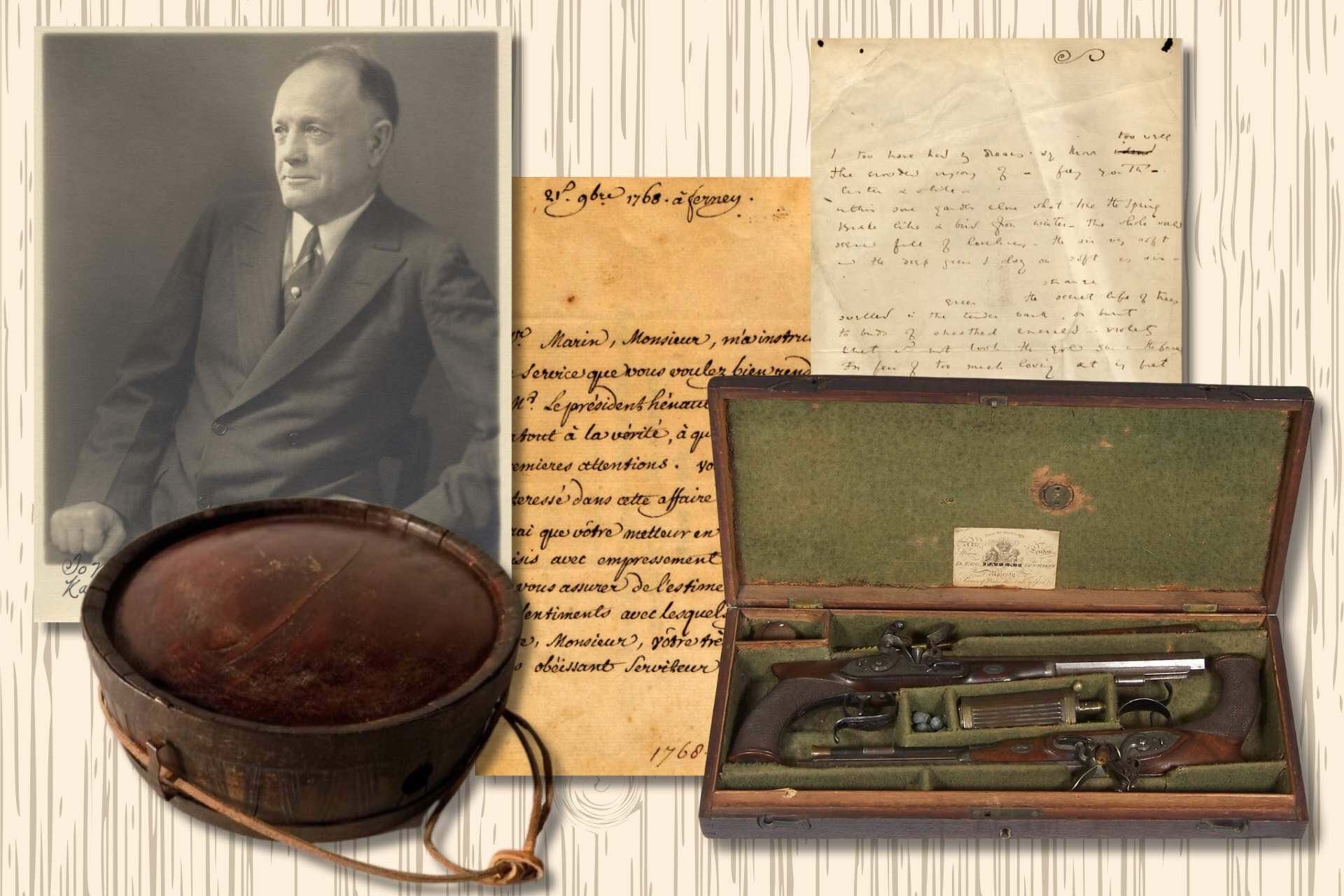
A series of exhibitions on Abraham Lincoln will always feel special. The opportunity to reflect on various aspects of the life of the man many consider our country’s greatest president was rewarding enough, but being able to share artifacts and imagery recalling his life was especially meaningful, particularly during the bicentennial year of his birth in 2009. I remain grateful to Lincoln scholar and former Evansville Museum board president and History Committee Chair Bill Bartelt for opening many doors and providing his sage advice as we created these exhibitions.
Dirt also comes to mind when I recall memorable exhibitions and the moments involved in producing them. For both an exhibition recalling the work of Glenn Black and the WPA at Angel Mounds and an exhibition remembering Evansville’s agricultural-equipment manufacturing industry, we hauled many loads of dirt into their respective gallery spaces. One vignette recreated an archaeological dig site; the other was a scene complete with a horse-drawn plow, horse and farmer mannequins, and a backdrop of a cloud-laden sky.
Through the years, I have been good-naturedly teased about my apparent love of historic refrigerators. Truth be told, two of my favorite exhibitions explored Evansville’s connection to the refrigeration industry—a relationship that began in the 1920s and lasted nearly 90 years. Exhibiting products produced by companies such as Servel, International Harvester, and Whirlpool, all of which played vital roles in the city’s economy, was rewarding. These exhibitions provided an opportunity to discuss not only the refrigerators these companies made but also the people who worked in their factories. This included exhibiting the last refrigerator produced by Whirlpool in Evansville, which was signed by those working at the plant in 2012.
%20IMG_9169.jpeg)
Other exhibitions exploring Evansville’s architecture, businesses, industries, and culture are ones I recall with equal satisfaction. The opportunity to illustrate the city’s historic brewing industry, furniture manufacturing, television and radio industries, financial institutions, health-care providers, and historic theaters and hotels represents just a sampling of these projects.
Several specific moments from these exhibitions remain especially memorable. One was creating a downtown walking tour in conjunction with the hotel and theater exhibitions with my friend Terry Hughes. Another was watching Keith Kinney’s Hercules truck roll into the Made in Evansville exhibition—a moment that produced one of the biggest smiles of my museum career.
In my last year as a curator, I am grateful that the Museum afforded me the opportunity to pursue and execute two bucket-list exhibitions: one focusing on the Indianapolis 500, including a historic racecar, and the other exploring the history of professional wrestling in Evansville. Both topics had been on my mind for many years, and through the process of curating these exhibitions, I once again had the privilege of meeting and working with generous, dedicated, and knowledgeable individuals.
Their efforts reminded me that, far beyond the artifacts and imagery that comprise an exhibition, it is the people I have been honored to meet throughout the years—staff members, board members, History Committee members, history makers, docents, lenders, donors, contractors, and so many others—who made me truly fortunate to have been a part of the Evansville Museum for so many years.
Thomas R. Lonnberg
Chief Curator & Curator of History
Evansville Museum
%20IMG_0556.JPG)
%20IMG_2798%2C%202018.JPG)