Thursday, February 5, 2026 | 6:30 PM
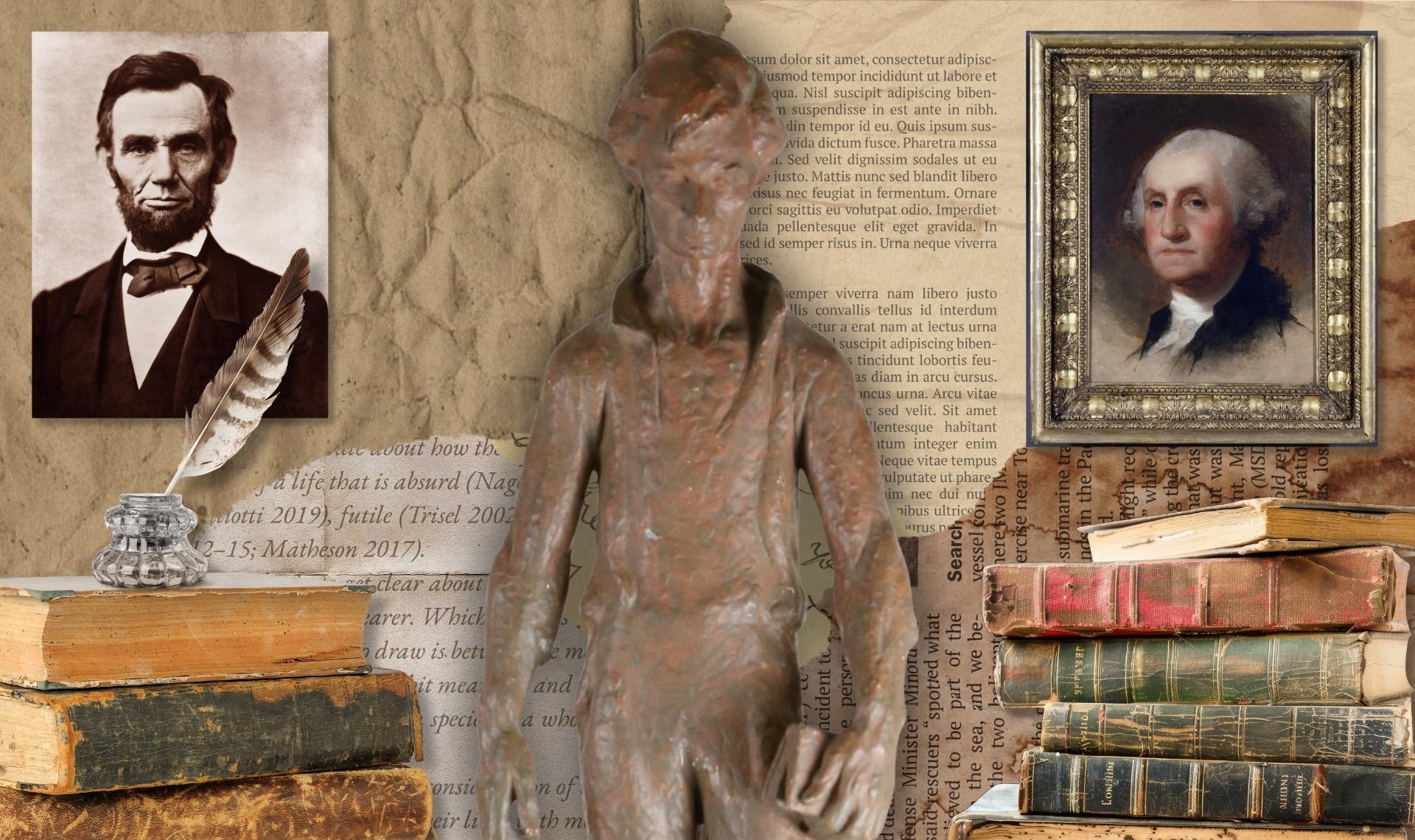
In the lecture “There Must Have Been Something More Than Common That Those Men Struggled For:” Abraham Lincoln and the Founders, historian William Bartelt will explore how Abraham Lincoln became familiar with the Founding Fathers and the ideals of the Declaration of Independence during his formative years in Indiana (1816–1830).
Bartelt will examine the books Lincoln read, the ideas he encountered, and the influences that shaped his understanding of liberty, democracy, and national purpose—long before he became president. This talk offers valuable insight into how Lincoln’s early life helped form the principles that later guided his leadership during one of the most pivotal moments in American history.
About the Speaker:
William E. “Bill” Bartelt is a Lincoln historian and retired educator. He is the author of There I Grew Up, which uses annotations and primary source material to document Lincoln’s Indiana years, and co-editor of Abe’s Youth: Shaping the Future President, a collection of essays providing historical context for Lincoln’s early life. His most recent co-authored book is “The War Is Upon Us:” New Harmony, Indiana and the Civil War.
Bartelt serves on the board of the Abraham Lincoln Association and is a past Trustee of the Indiana Historical Society. In 2003, he received the Indiana Historical Society’s Hoosier Historian Award for his contributions to historical scholarship. He previously served on the federal Abraham Lincoln Bicentennial Commission’s Advisory and Education Committees and as vice chair of the Indiana Abraham Lincoln Bicentennial Commission.
This lecture is the first in a special series at the Evansville Museum commemorating the 250th anniversary of the founding of the United States.
Admission is FREE, but space is limited. Please RSVP at the link below.